Lucid
I led ideation, prototyping, storyboarding, interaction design, 3D modelling and Unreal development. I was an integral part in directing the product towards its end goal and helped during the research phase.

Home is more than just a physical space
This was a graduate student project where my team was tasked to help physically separated families build and maintain close emotional relationships that help them feel at home. To find more about this space, we conducted background research on “home” and emotions, and identified that:

The concept of “home” can be described as more than a physical space: it is an emotional space composed of our connections to others.

Approximately 14 million people migrated in 2019 for education and job opportunities, leaving their families behind.

People who are far away keep each other updated about day-to-day activities over audiovisual mediums like SMS and phone calls.
DESIGN OPPORTUNITY

How might we help families who are physically separated reestablish deep emotional connections that have faded with distance and time, and allow them to feel emotionally close, promote nuanced conversations and create shared memories?
What would it look like to authentically connect intimately with your loved one?
We went back to our transcripts. The single thread tying our whole research was that families connect over long distances by sharing ‘episodes’ of their day and updating each other on personal events. In essence, they share stories.
WHY ARE STORIES IMPORTANT?
We engage with other people by telling the stories of our lives: whether fact or fiction. We are drawn to stories because they are our lived experiences; when we share stories with others, we share ourselves. It generates empathy and connection between speakers and listeners.
INSUFFICIENT COMMUNICATION MEDIUMS
People largely share their stories over audiovisual mediums like FaceTime, text messages and phone calls. All these are communication hacks to translate and share their thoughts, experiences and impressions to another person. In oral communication, the audience hears the story and needs to imagine the story mentally to understand the story. This might pose a huge cognitive challenge to them (Sundmark, cited in Wallin, 2015) hence making them passive listeners.

Era of brain communication hacks. Source: OpenBCI.com
SPECULATIVE QUESTION
What if people could transform their oral stories into dynamic visual worlds like they see it, in real time?
After further going through another round of ideation, we consolidated our fresh perspectives with user goals and decided to build:
Lucid is a communication device based on brain-computer interfacing technology which shares your stories as you see them in your mind while you narrate them to your loved ones from afar — empowering you as a storyteller, increasing intimacy, and creating shared memories.

Initial storyboarding

Imperial College London
A mental image reconstruction method through measured EEG using a generative adversarial network (GAN). After sufficient training, the network reconstructs mental images from brain activity recordings.

OpenAI · CLIP & DALL·E
Neural networks that create images from text captions for a wide range of concepts expressible in natural language — plausible images for sentences that explore compositional language.
INTRODUCING LUCID
Translating human brain activity into 3-dimensional holographic projections
When our brains summon a memory, they retrieve the most salient parts of the story; our imagination fills in the rest. These are known as brain waves. When using Lucid, these brain waves are captured by our “receiver” headband and encoded as data signals.

Brain signals to visuals
Once encoded, this data is sent from the receiver to our visualizing element, the “producer.” The producer then constructs the necessary color and depth data into visuals.

Spoken word to visuals
As the user tells the story, the words are sent to a text encoder trained to map text to a representation space. We capture the semantic information of the text and generate the visual.

Finding the perfect match
The producer matches these two visuals, narrows down the ones with maximum match, and converts them to 3D holographic projections that illustrate our memories as we see them. This we call a memento.
1 min explaining how Lucid works
Point clouds are dreamy and realistic at the same time.
Learning from our prototype testing, I decided to go for “pointillism” as the visual style for projecting memories. It isn’t exactly realistic, thereby avoiding the uncanny valley, and at the same time it gave a fresh and dreamy aesthetic. I did multiple tests in Metashape, Unreal, and After Effects before I was able to achieve the intended output.

Outdoor bridge test

Outdoor landscape test

Indoor object test
Final visual output
Lucid catering to both offline memory sharing and synchronous calls.
Our prototype testing helped us narrow down the features we want to include in our product. It also helped us pick what was most important for the users.

Registration & Login
We had quite a few discussions on how the device is going to be used. Can multiple people sign in on to the device? Or is it like a landline connected to a home? For the time being, to keep things simple — we decided to allow users to login with existing social medias and create their own username and password.
Onboarding Tutorial
For first-time users, we introduce the basic gestures and voice commands to interact with the device. I researched through Oculus and Hive to understand how things were done and adopted the best practices onto Lucid.
Lucid Synchronous Call
Lucid synchronous call allows users to see projections of their memories as they were narrating it to their loved ones. We included an option to switch off visuals when users don’t want their memories to be projected.
Offline Compose Mode
For people to get practice and for the system to understand how the user is going to visualize, we have an offline compose mode — where they can play around. Users can also save these projections and share them later.
Memento Library
Users can share memories from offline mode. They are stored in the memento library.

Connect your media
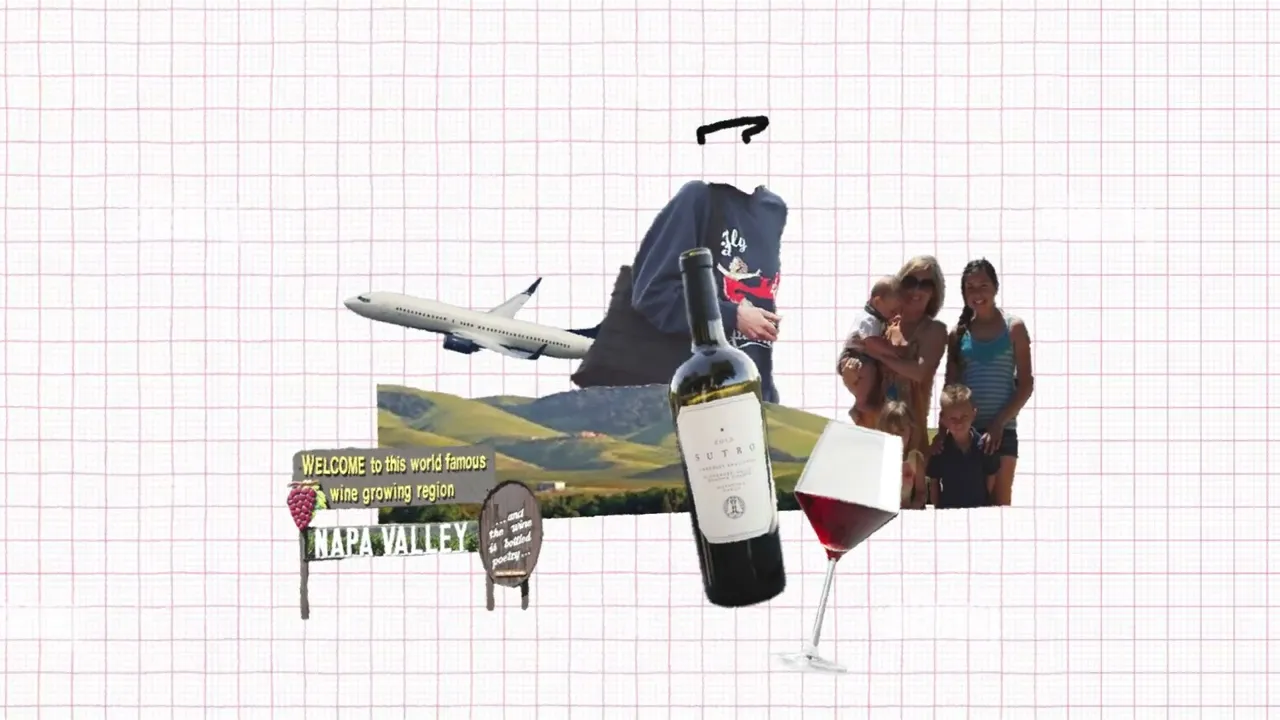
People share personal stories referencing their friends and different places. Not always might we find a match for someone’s “brother” or “bedroom.” I decided to ask the user to connect their cloud photos and other social media, for the system to build a more relevant projection. Users can also choose not to connect their media and have placeholders or no visuals when there is anything personal they are narrating.
Lucid as an intimate, private and futuristic brand.
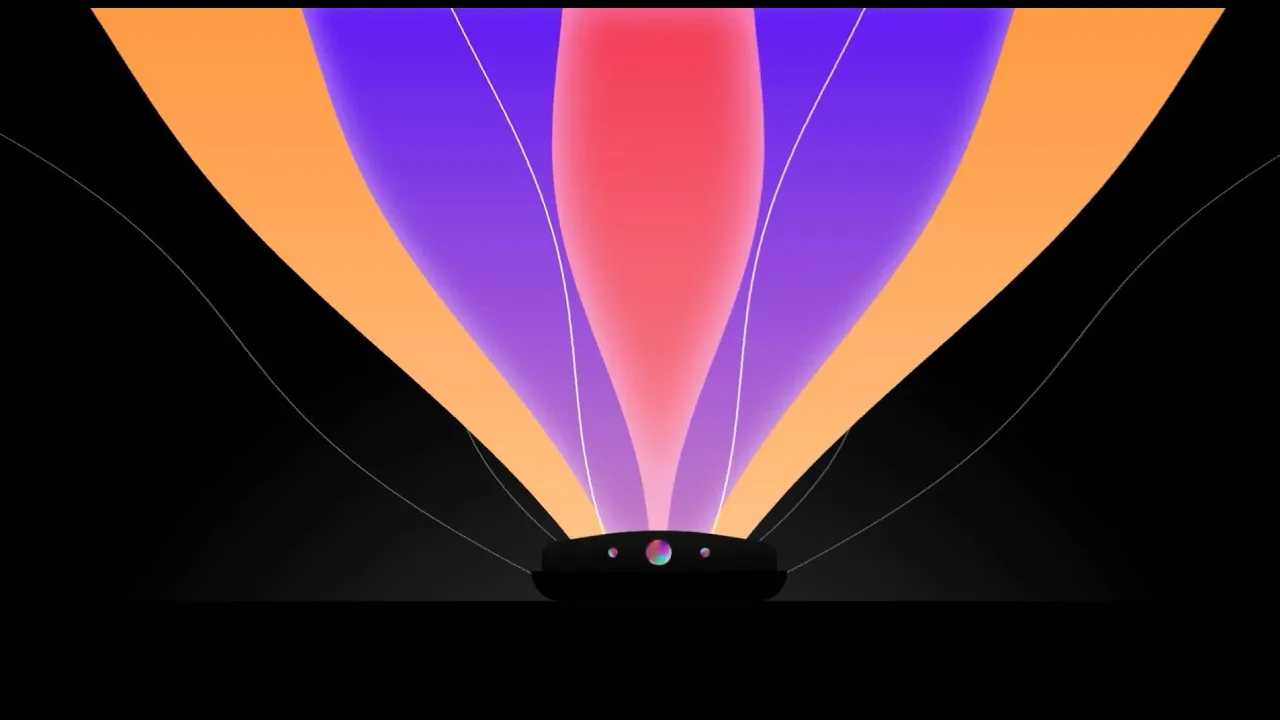
We developed a set of brand values to set an intentional standard for our product design. I decided to go with a fluid, soft gradient as brand style which both calms and stimulates our bodies, putting the user in the right place for introspection and focused insight. Our prototyping results helped us decide the necessary interactions on the devices.


If you have 12 mins to spare, here is our final presentation video
I worked on storyboarding, asset creation to final editing for this video. It was well received and appreciated by the teaching team and my peers.